
The $100,000 Manhole: How a Simple Rehab Project Saved a City Millions
-
- July 23, 2024

Repairing manholes can sometimes have a significant impact on city budgets and the overall well-being of infrastructure and the environment. A recent example that has caught the attention of engineers and urban planners globally involves a medium-sized American city that managed to turn a $100K manhole repair project into savings worth millions of dollars, demonstrating the benefits of investing proactively in infrastructure.
The Problem: Aging Infrastructure and a $5 Million Risk
Much like cities nationwide¸ this town was grappling with a worsening situation concerning its underground infrastructure¸ particularly its storm and sewer systems that had been serving the community for more than five decades¸ leading to numerous manholes being affected by significant infiltration¸ corrosion¸ and structural deterioration issues¸ The usual approach recommended an overhaul that would have amounted to at least $ 5 million inclusive of excavation¸ road shutdowns¸ and labor expenses.
Upon examination it became apparent that the main problem originated from infiltration. Groundwater seeping through the manhole walls and overloading the sewer system when heavy rains hit.The outcome of this situation includes rising treatment expenses,flooded basements and a significant liability, for the city.
The Solution: Advanced Polyurea Manhole Coatings
Rather than opting for the costly full replacement, engineers turned to a cutting-edge polyurea-based manhole rehabilitation solution. The process involved:
- Surface preparation to remove deteriorated concrete and debris.
- Injection grouting to stop active infiltration and reinforce structural integrity.
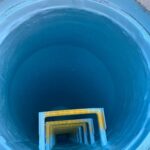
- Sprayed-on polyurea coating, creating a seamless, waterproof barrier resistant to hydrogen sulfide gas and extreme conditions.
The entire process took just three days per manhole and cost the city $100,000—a fraction of the projected $5 million replacement cost.
The Impact: A Game-Changer for Cities Nationwide
The results were immediate and dramatic:
- Eliminated groundwater infiltration, reducing wastewater treatment costs by 35%.
- Extended infrastructure lifespan by 50 years without the need for costly excavation.
- Prevented further damage to nearby roads and sidewalks, avoiding additional repair expenses.
The success of this case has sparked interest from other municipalities, with engineers now considering similar rehabilitation methods as a primary solution for aging sewer systems.
Going Viral: Why This Matters
City planners and infrastructure professionals have found this story particularly compelling on media platforms such as LinkedIn and X (formerly Twitter), sparking discussions that have garnered millions of views. Thanks to its cost-effectiveness and environmental impact achieved through the swift use of contemporary materials, it seems like manhole rehabilitation is emerging as an unnoticed champion in public projects.
In a society where issues with infrastructure, frequently grab attention in the news media, this initiative demonstrates that implementing renovation approaches can avert catastrophes, economize public funds, and upgrade urban areas effectively.
Want to learn how manhole rehabilitation can transform your city’s aging sewer system? Visit ArmorThane Manhole Rehabilitation for insights, case studies, and expert solutions.
Continue Learning

Amanda Rivers
2 years agoThat cost escalation math is sobering. We have a Grade 4 manhole that’s been deferred for three budget cycles now. This article is going straight to my director.