Skip to content
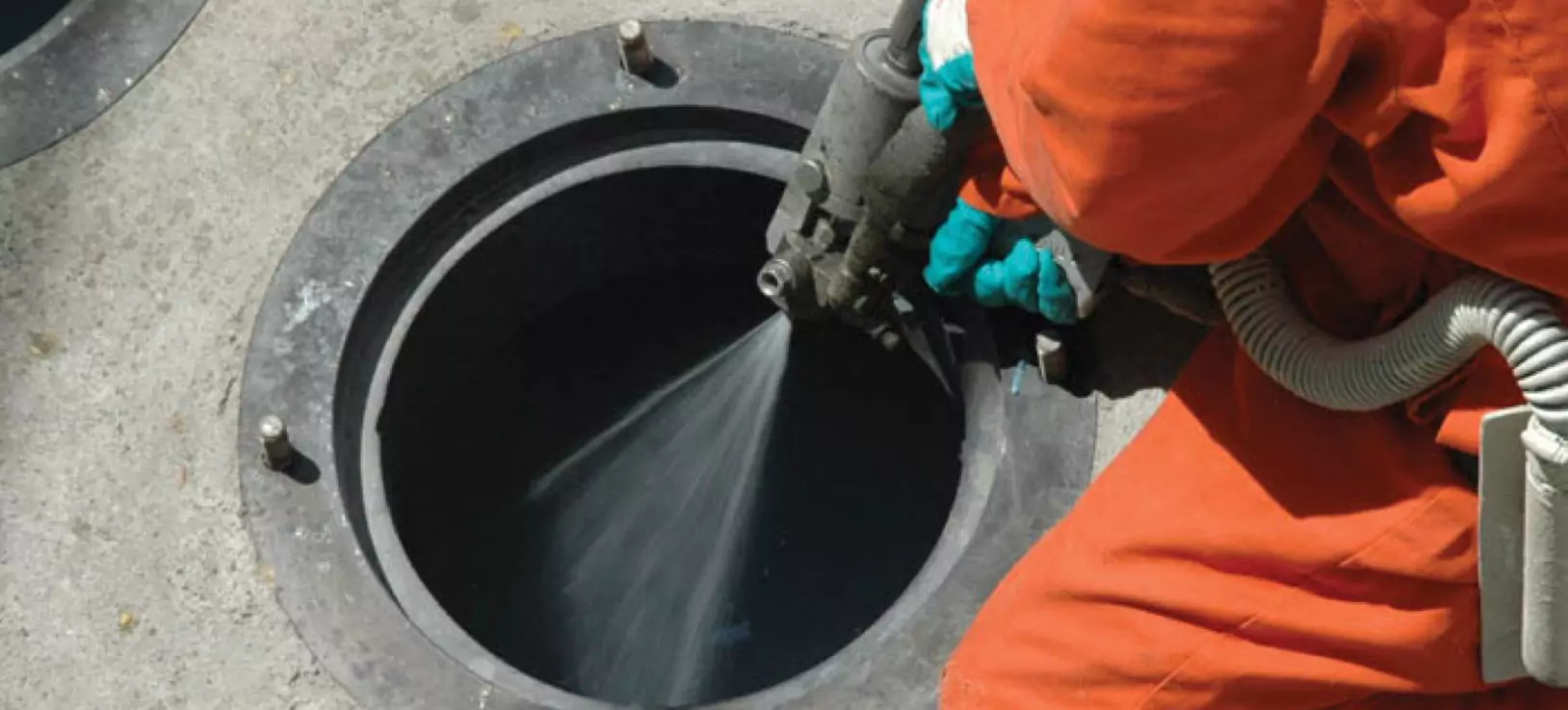
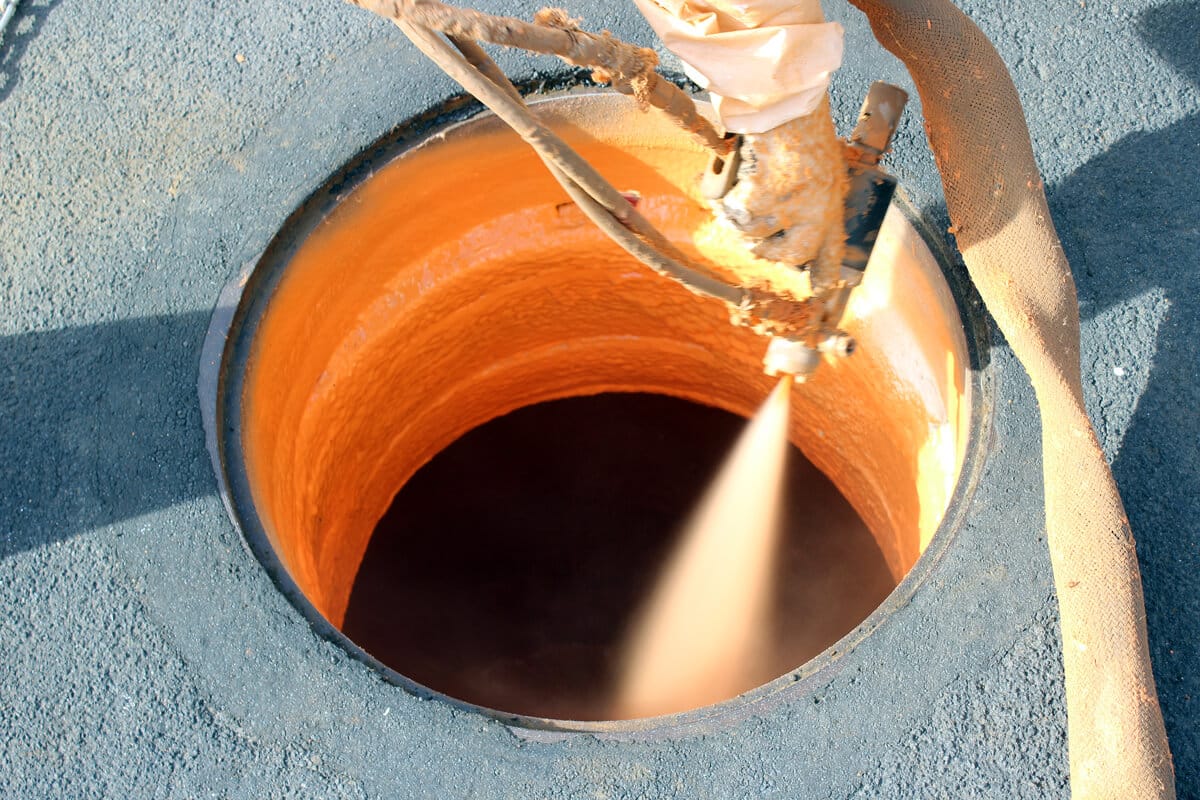
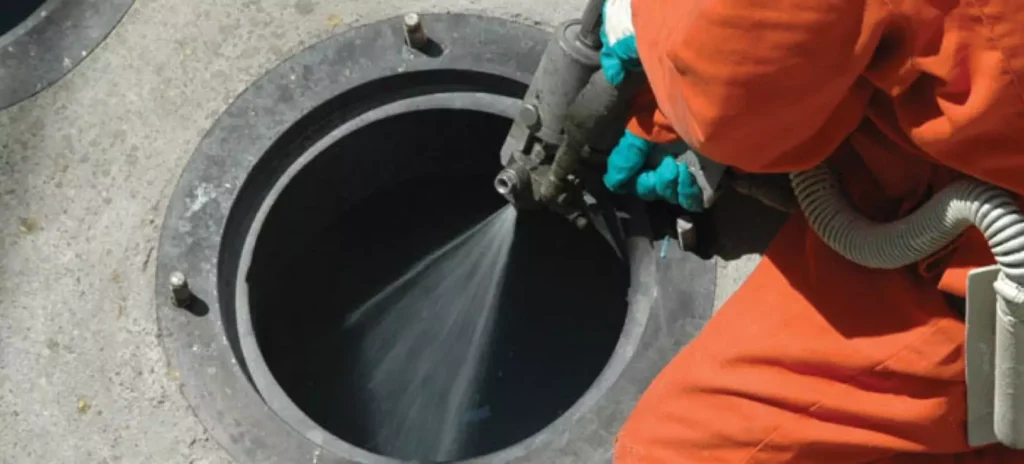
Applicator spraying ArmorThane polyurea down into a manhole

Spray-applied manhole rehabilitation

Restore the
underground.

Seamless ArmorThane polyurea liners stop corrosion and infiltration — and put manholes back in service the same day.

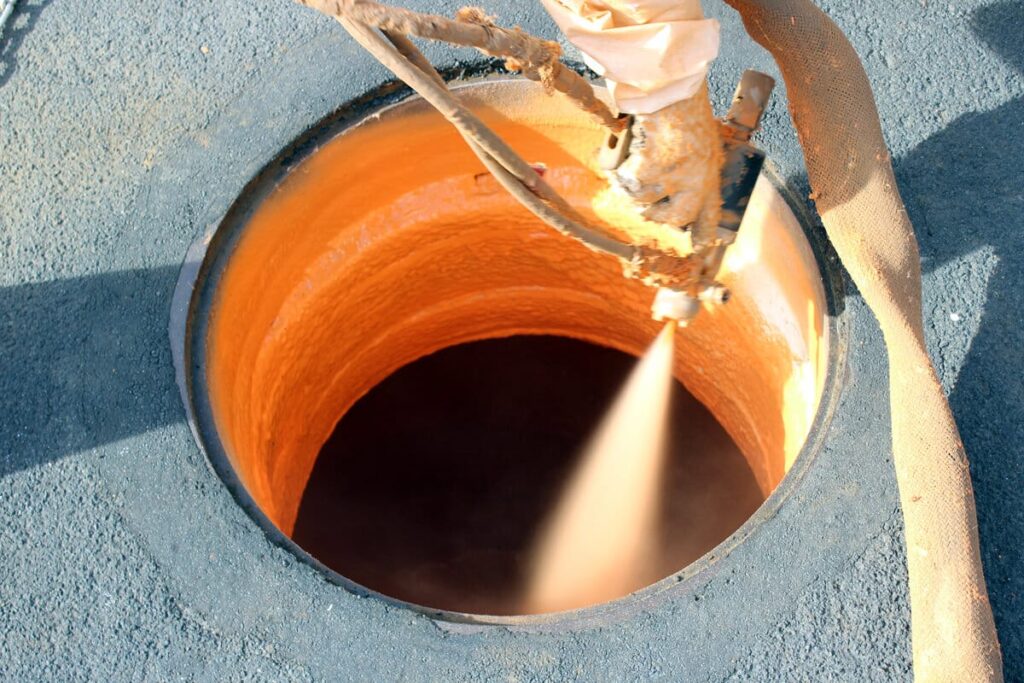
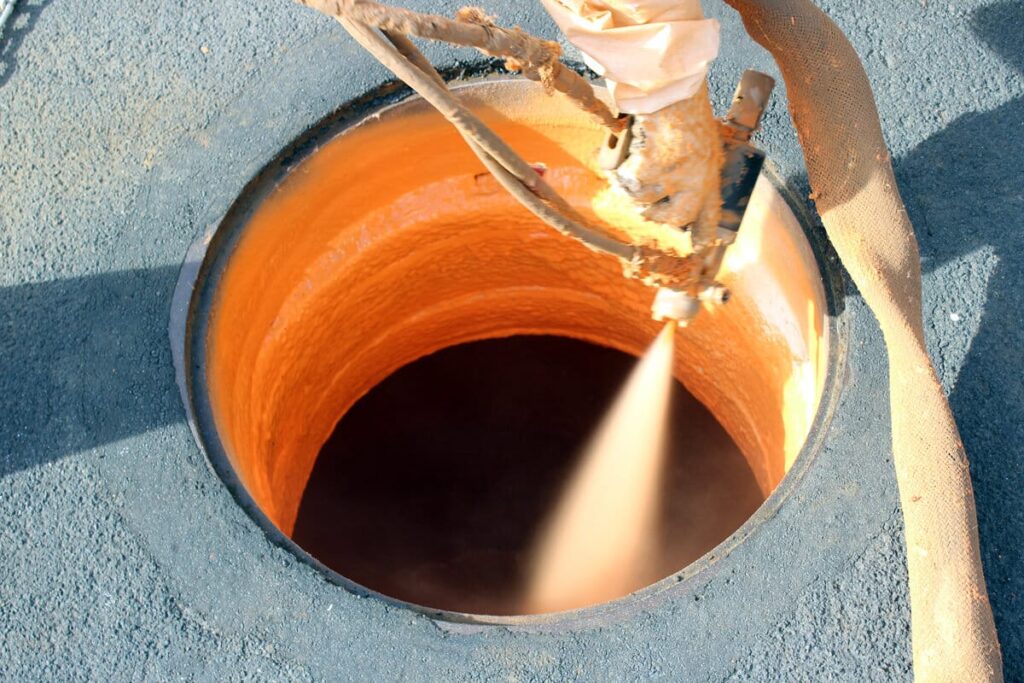
Freshly sprayed orange polyurea lining inside a manhole

ArmorThane polyurea liners

Seamless.
Monolithic.

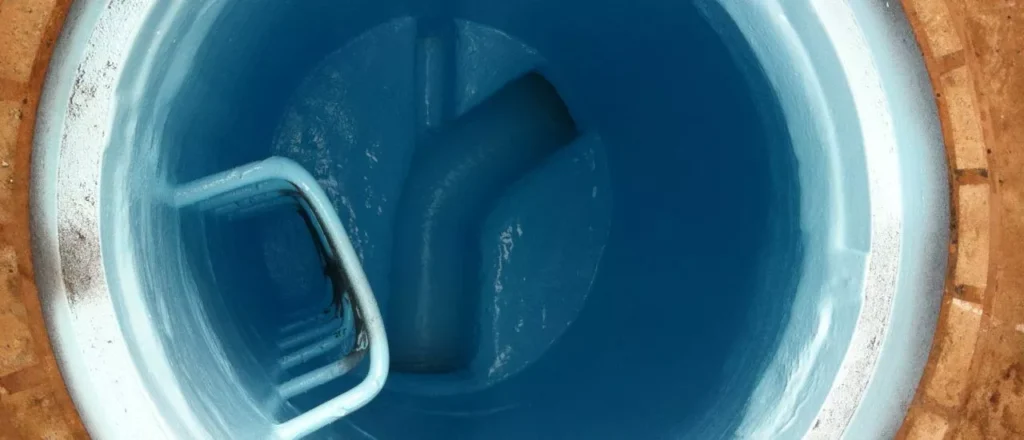
One continuous membrane from bench to frame — no joints, no seams, no weak point for hydrogen sulfide or groundwater to find.

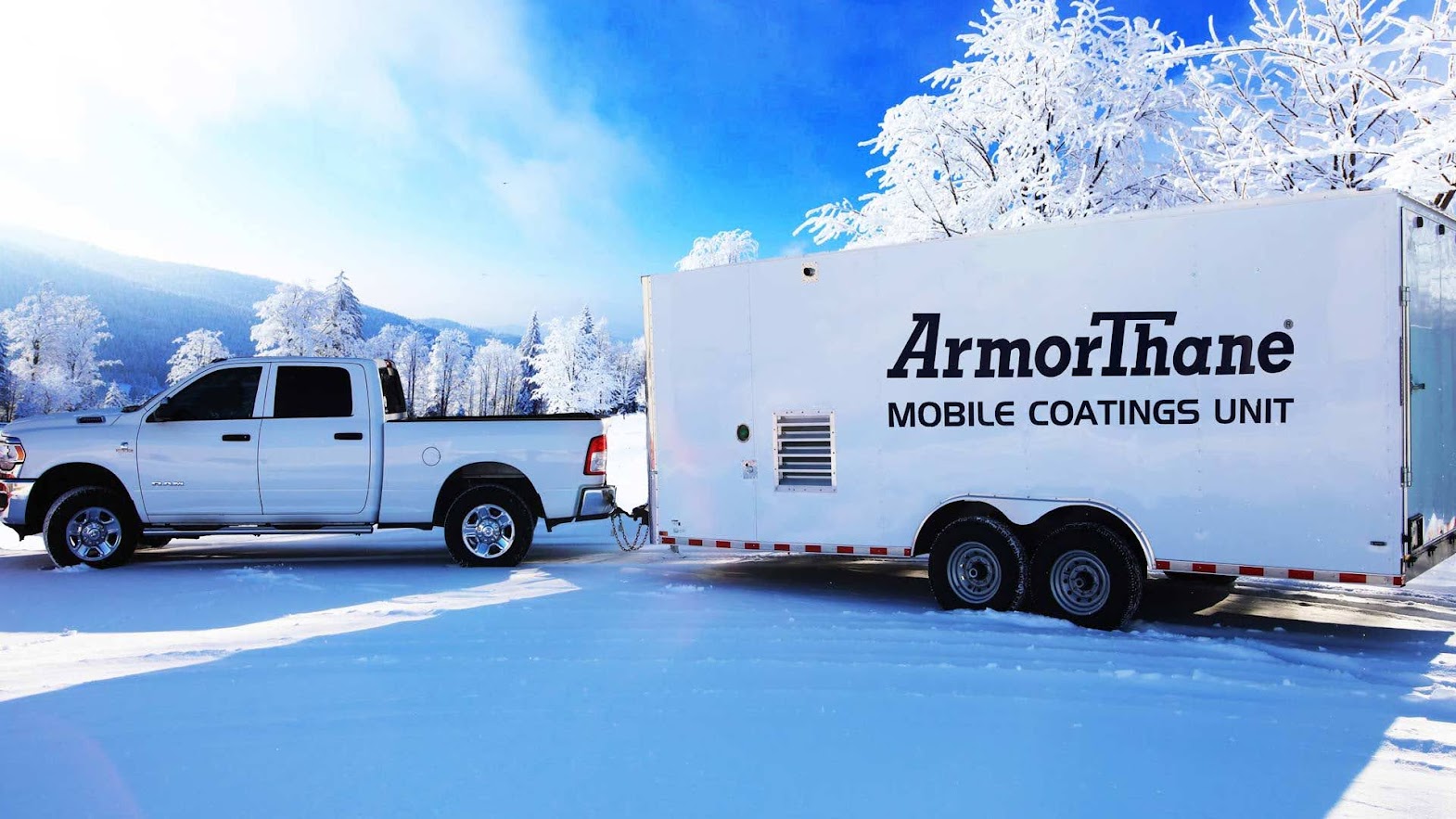
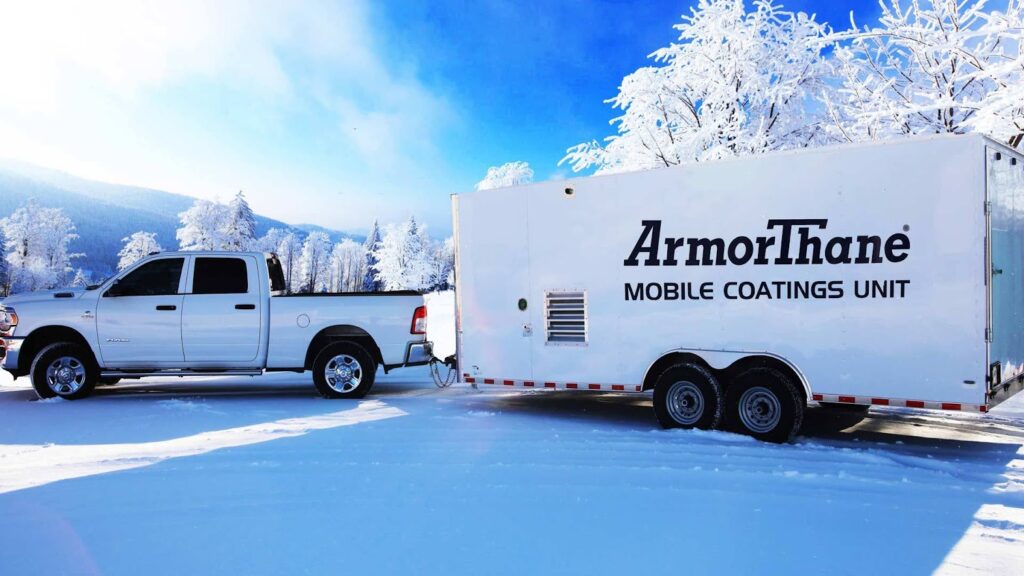
ArmorThane mobile coatings unit trailer and truck

Start your own business

Your rig.
Your territory.

Launch a manhole rehab company on ArmorThane’s tried-and-true system — training, spray rig, materials and support included.

  • Seamless, monolithic liner
  • Same-day return to service
  • Resists H2S & sulfuric acid
  • Stops infiltration & inflow
  • No excavation

Every manhole is a choke point. Corrosion eats the concrete, groundwater pours through the cracks, and replacement means digging up the street. A spray-applied ArmorThane polyurea liner seals it all — in a single visit.

100–250mils

Typical liner build on manhole walls

Seconds

To gel — hard to the touch in minutes

Same day

Return to service, with no excavation

35+yrs

ArmorThane polyurea expertise behind every rig

Applications

One system. Every structure
under the street.

How it works

Four steps. One visit.
Decades of protection.

  1. Every job starts with a condition assessment — often MACP-style — to document defects, active leaks and corrosion depth, and to choose the right build.

  2. Debris, sediment and loose concrete come out with high-pressure water and/or abrasive blasting. Leaks are stopped and voids rebuilt so the liner bonds to sound substrate.

  3. A primer goes down, then technicians spray ArmorThane polyurea from the bench up to the chimney, building a uniform membrane — typically 100–250 mils.

  4. The liner gels in seconds and is hard to the touch within minutes. Thickness and holiday checks confirm coverage, and the structure goes back in service the same day.

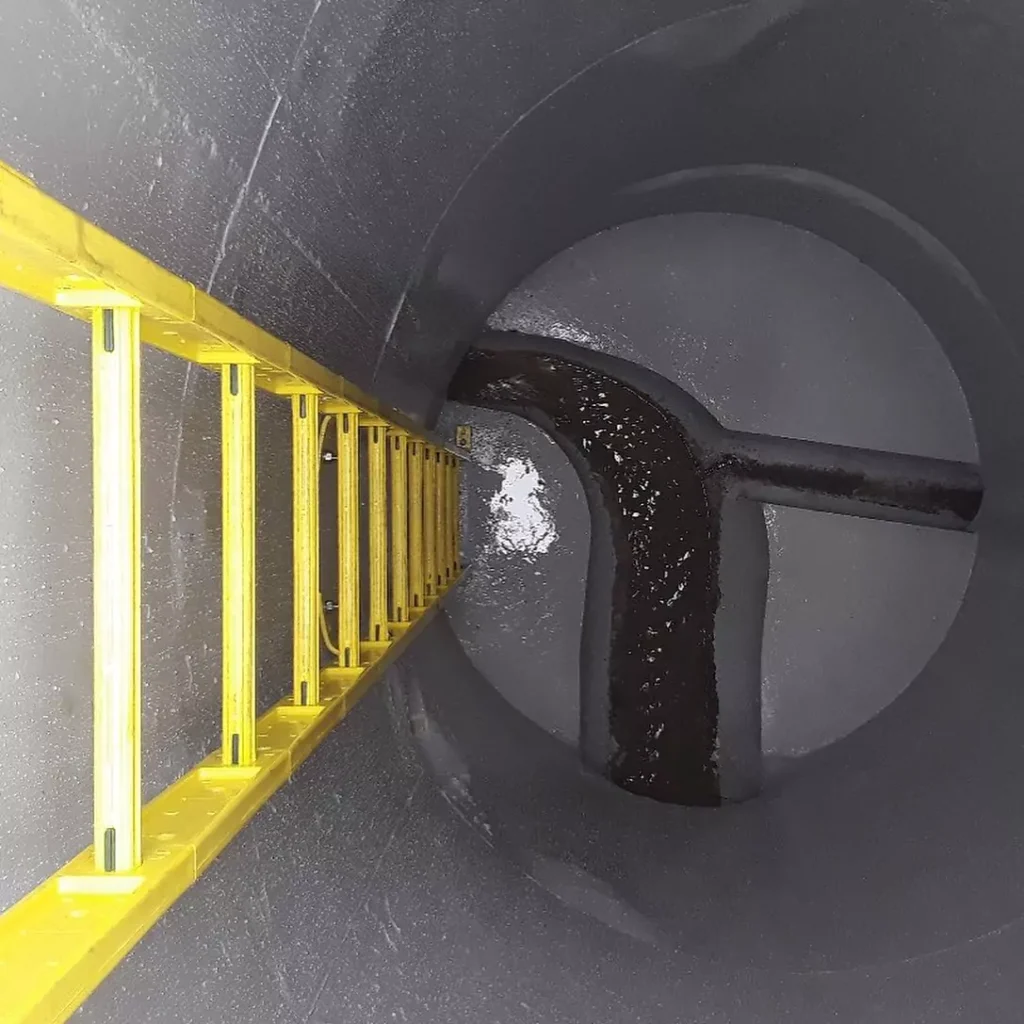
Looking down a coated manhole with a yellow access ladder
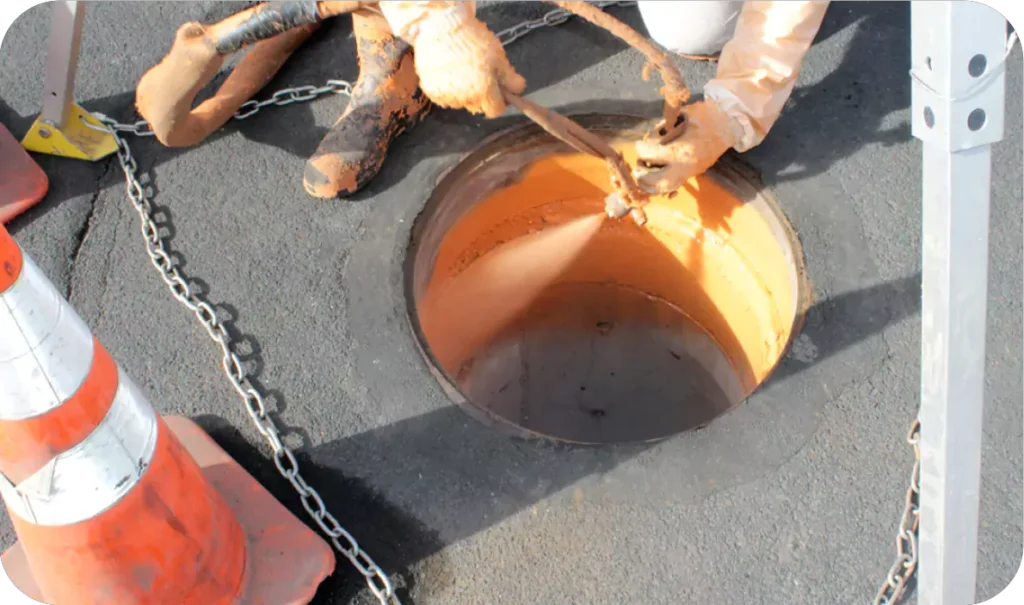
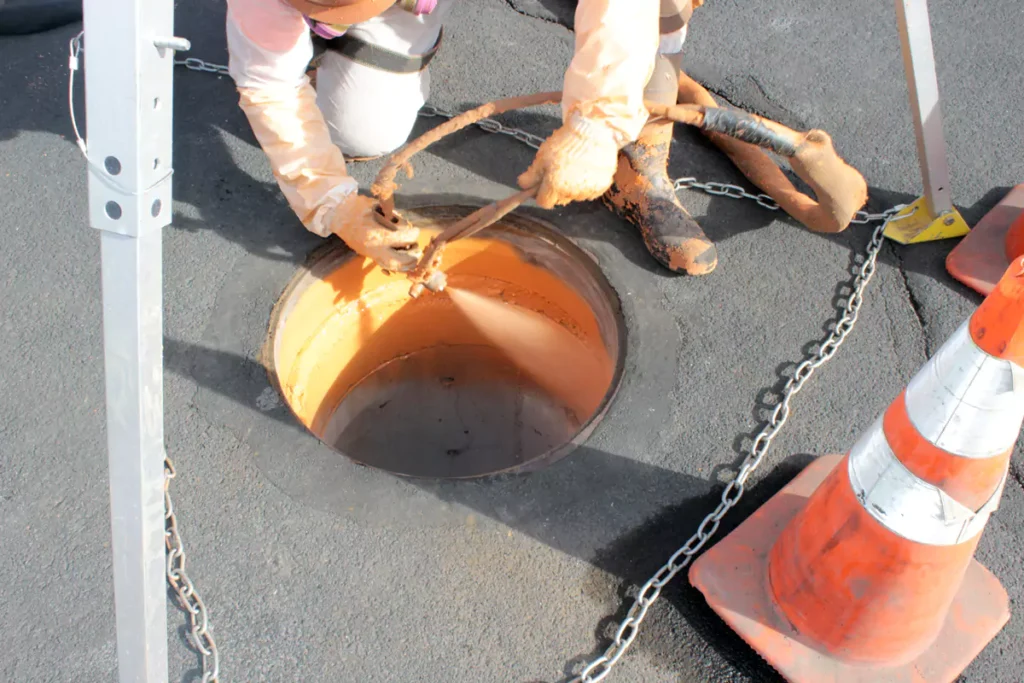
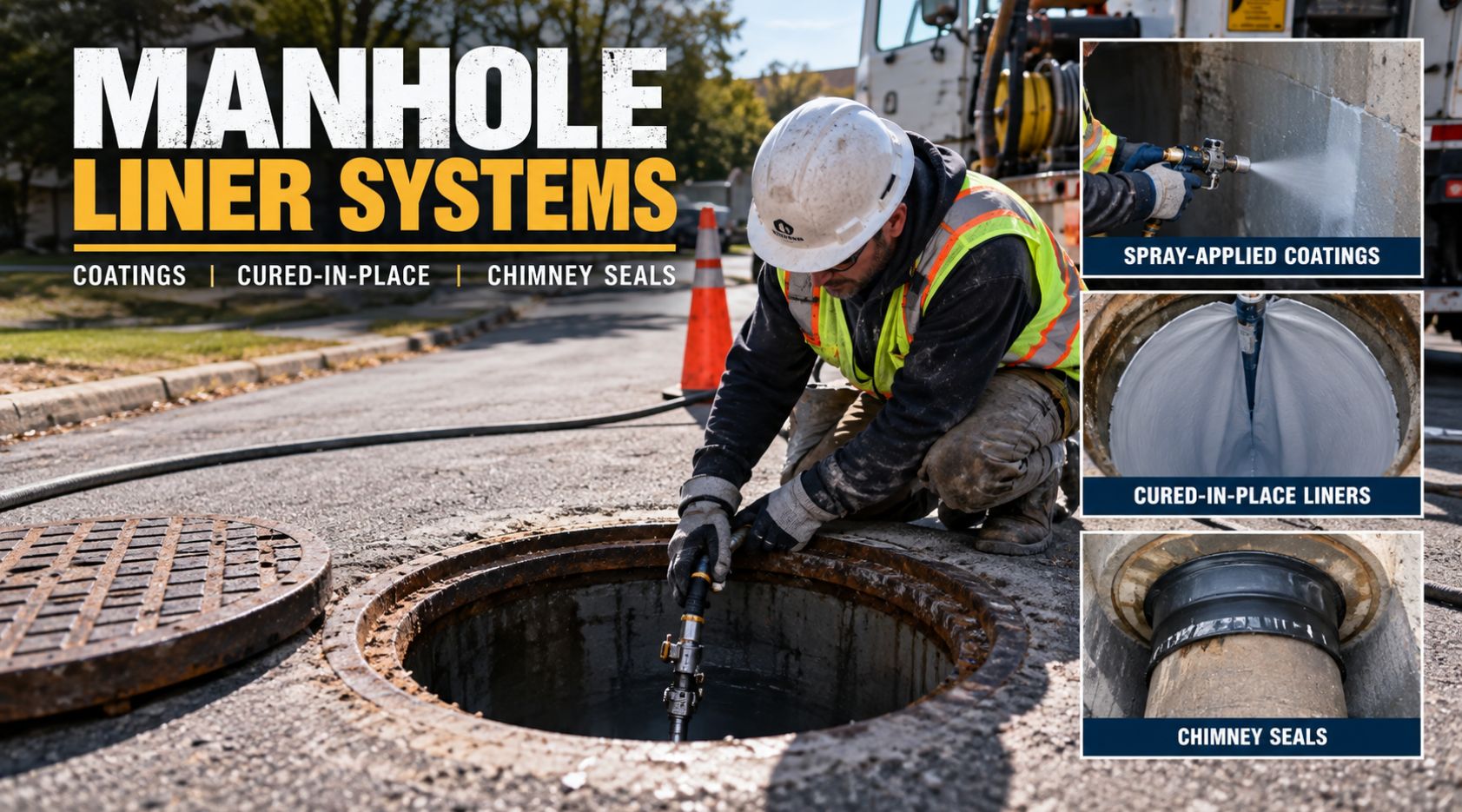
Crew rehabilitating a street manhole with spray-applied polyurea
Applicator spraying ArmorThane polyurea down into a manhole
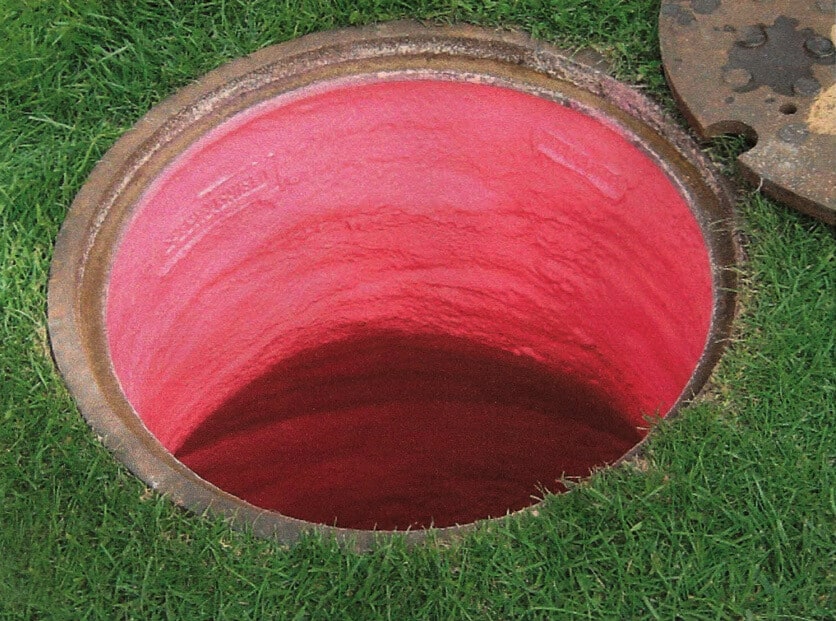
Freshly sprayed orange polyurea lining inside a manhole

Compare methods

Why crews are switching to polyurea.

A quick, honest look at the most common ways to deal with a deteriorated manhole.

Feature Our pick Spray polyurea ArmorThane system Cementitious liner Spray or troweled mortar Epoxy coating Spray or roll applied Full replacement Excavate and reset
Seamless, jointless barrier Yes — monolithic membrane Can crack over time Yes, when fully cured Joints between sections
Return to service Same day Typically after cure time Hours to overnight Days to weeks
Flexibility / crack bridging High elongation Rigid Rigid to semi-rigid New concrete, rigid
H2S / acid resistance Excellent Varies by mix Good to excellent Bare concrete is vulnerable
Excavation required No No No Yes
Street & traffic disruption Minimal Moderate Moderate Significant

General comparison for typical concrete manholes. Actual performance depends on product selection, surface preparation, application and site conditions — always follow the project specification.

Start your own business

Build a manhole rehab company on a system that’s already proven.

ArmorThane has spent more than three decades refining polyurea, the equipment that sprays it and the training that makes crews productive. You bring the drive and the territory.

  • Hands-on training

    Applicator certification covering prep, spraying, QC and safety.

  • Turnkey spray rig

    A mobile coating unit built and configured for manhole work.

  • Materials & 24/7 support

    Polyurea, primers and a tech team that answers when you’re on site.

ArmorThane mobile coatings unit trailer and truck
Mobile Coating UnitProportioner · heated hose · generator · air

Who it’s for

Built for the people who keep cities flowing.

Sewer & utility contractors

Add a high-margin, fast-turn service your municipal customers already need.

Municipalities

Bring rehab in-house, cut contractor markups and respond to failures faster.

Coating & bedliner shops

Put your spray experience to work on infrastructure — a new, recurring revenue stream.

Entrepreneurs

Start a focused, equipment-based business with training and a proven playbook.

The Journal

Field-tested knowledge.

All articles

FAQ

Questions, answered.

What is spray-applied manhole rehabilitation?

It restores an existing manhole from the inside instead of replacing it. After cleaning and repairing the walls, a crew sprays a fast-curing polyurea liner that forms a continuous, seamless membrane — stopping corrosion and infiltration without excavation.

How long does a polyurea manhole liner take?

Most standard manholes are prepped and sprayed in a single visit. ArmorThane polyurea gels within seconds and is hard to the touch in minutes, so structures typically return to service the same day.

How thick is the liner?

Builds typically range from about 100 to 250 mils on manhole walls, depending on structure condition, exposure and the engineer’s specification.

Does polyurea stand up to hydrogen sulfide?

Yes. Polyurea is highly resistant to the sulfuric acid produced by H2S in sewers, which is why it is widely used in sanitary manholes, wet wells and lift stations.

Can I start my own manhole rehab business with ArmorThane?

Yes. ArmorThane provides applicator training, turnkey spray rigs, materials and ongoing technical support. Start on our Start Your Business page or use the form to talk with us.

Spray gun applying polyurea to the walls of a manhole

Start your own business

Ready to build a manhole rehab business?

Get the ArmorThane training, spray rig and materials behind thousands of restored structures — and a team that picks up the phone.

Talk to us