
In this article
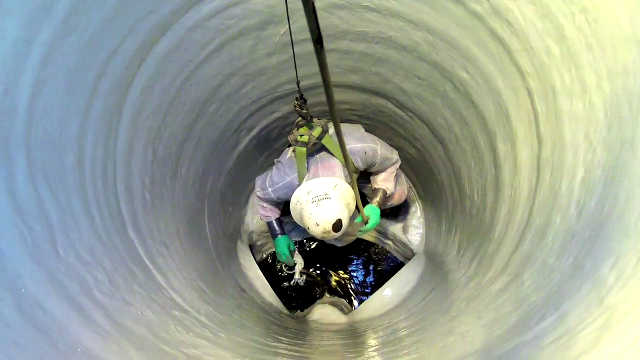
As municipalities confront rising infrastructure costs and shrinking budgets, many have started shifting their strategy from outsourcing repairs to performing them in-house. Nowhere is this shift more apparent than in the realm of manhole rehabilitation. Cities, counties, and public utilities are turning to polyurea spray coatings—and they’re not just hiring contractors to apply it. They’re training their own crews and doing the work themselves.
The result is faster turnaround, lower costs, and more control over the long-term health of underground assets.
Why Polyurea?
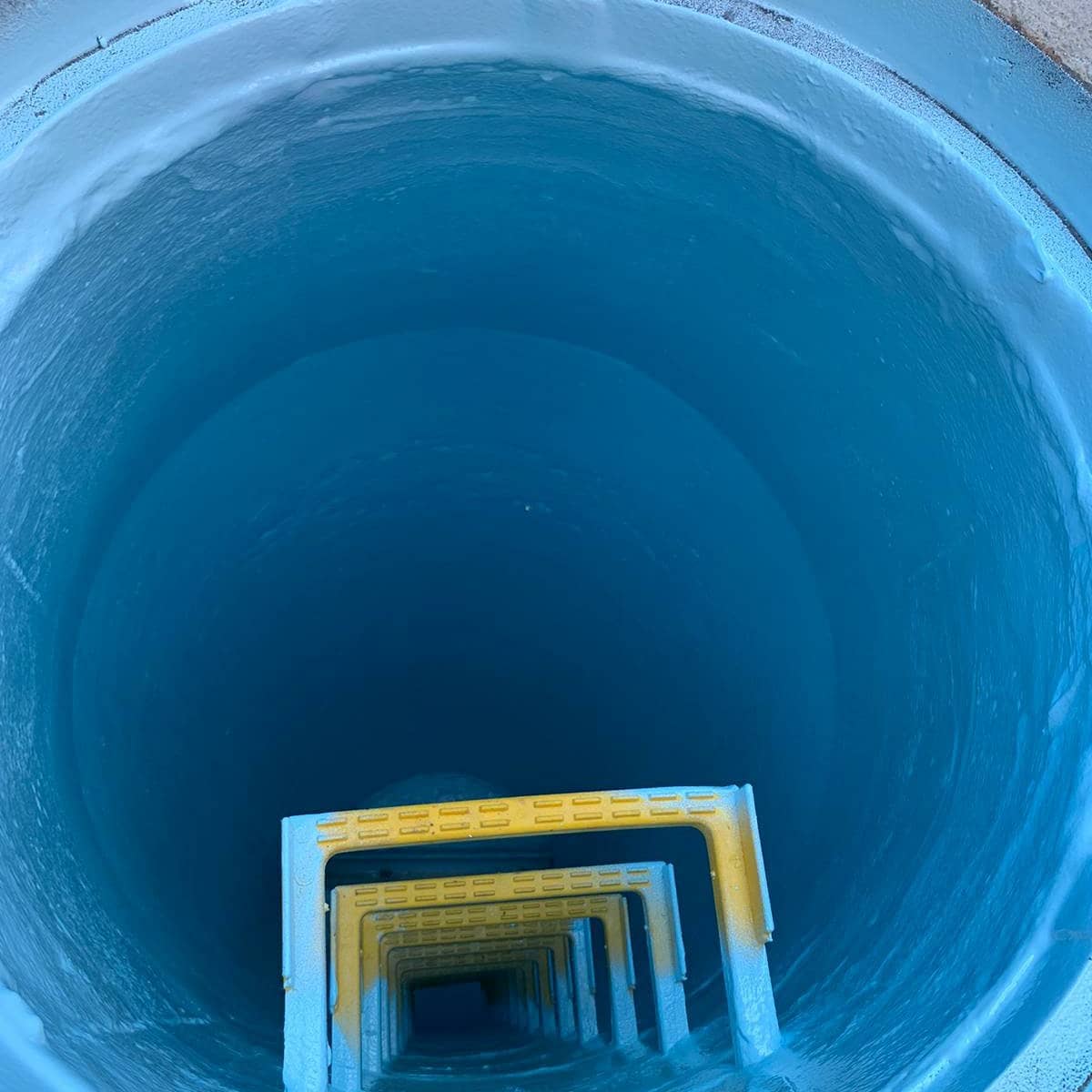
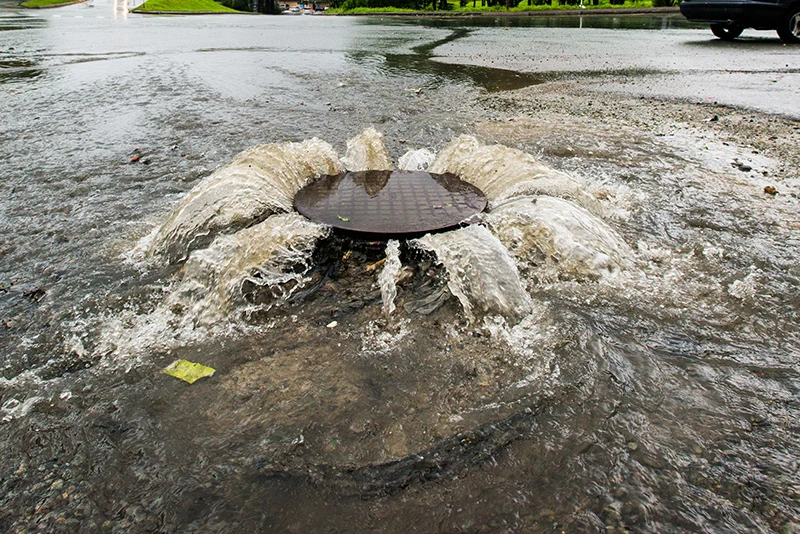
For aging wastewater systems, manholes represent one of the most vulnerable points in the network. Water infiltration, hydrogen sulfide gas corrosion, freeze-thaw cycles, and root intrusion all take a toll over time. Polyurea, a fast-curing spray-applied elastomer, has become the material of choice for sealing and protecting these structures.
Because it bonds to concrete, brick, and metal while creating a seamless, watertight layer, polyurea offers an ideal solution for municipalities seeking long-lasting results. And as ArmorThane outlines in their guide to manhole rehabilitation for municipalities, the material’s rapid cure time means minimal service disruption during application.
In-House Application Is On the Rise
While contractors have long dominated this space, more cities are now choosing to handle manhole rehabilitation themselves. Municipalities across the U.S. have started applying polyurea manhole coatings in-house, citing better cost control, faster project timelines, and greater confidence in quality.
The question of whether this approach is realistic has been addressed directly. A thoughtful breakdown from Polyurea Reviews explores whether municipalities should perform polyurea manhole rehabilitation themselves, concluding that with proper training and equipment, many public works departments are fully capable.
Training programs and mobile spray rig technology have made this transition easier than ever. As Coatings Academy explains in its overview of municipal spray projects, cities can now equip their crews with the tools and knowledge to apply polyurea safely and efficiently across a wide range of infrastructure assets.
A Gateway to Broader Wastewater Coating Projects
Manholes are often just the beginning. Once a municipality gains confidence with polyurea in smaller applications, it often expands to larger ones—wet wells, lift stations, clarifiers, and digesters. ArmorThane’s municipal wastewater opportunities page provides a look at the range of systems that benefit from polyurea coatings.
Cities are beginning to view this shift as more than a cost-saving measure—it’s a strategic investment in their own workforce and infrastructure resilience. As detailed in this exploration of infrastructure maintenance opportunities, polyurea spraying in-house gives municipalities greater control over how, when, and where infrastructure improvements occur.
The ability to address issues promptly also reduces the chance of small problems becoming major failures—something that’s increasingly important as many systems near or exceed their original design lifespan.
A Movement with Industry Momentum
The trend is growing. American Polyurea recently highlighted the growing number of municipalities using polyurea for in-house infrastructure repairs, noting real-world examples where local crews have taken over rehab duties with great success. This isn’t a temporary pivot—it’s becoming standard practice in many regions.
Supporting this shift are resources like this digital guide, which outlines the benefits of polyurea for municipal water treatment and sewer infrastructure. It provides valuable visual aids and statistics for cities evaluating their options.
And for municipalities ready to scale this work further, Polyurea Nation’s article on the rise of in-house polyurea spray rig programs shows how even mid-size cities are investing in mobile rigs and full-service rehab units.
Taking Control of Recovery
Manhole recovery no longer requires long procurement processes, high outside labor costs, or waiting on contractor schedules. Municipalities are discovering that with the right equipment and a well-trained team, they can manage this work efficiently—and to high standards.
Polyurea has opened the door to more durable, cost-effective rehabilitation strategies. And by bringing the process in-house, cities are reclaiming ownership of their infrastructure—one manhole at a time.
Thinking about spraying manhole coatings?
Tell us a little about your plans and ArmorThane will send startup costs, spray rig options and material pricing for your area.
- Startup cost & spray rig options
- Hands-on training on the ArmorThane system
- Material pricing for your territory
Was this article helpful?
Thanks for the feedback!

Written by
Heidi Lee
Heidi Lee is a licensed Professional Engineer (PE) with 18+ years of experience in municipal infrastructure management and underground utility rehabilitation. She serves as Executive Director of Manhole Recovery and has overseen rehabilitation programs totaling more than $200 million in public works investment across more than 30 municipalities in the United States and Canada. Heidi holds a BS and MS in Civil Engineering, serves on the American Society of Civil Engineers infrastructure committee, and is a member of the American Public Works Association (APWA) and the Water Environment Federation (WEF). Her work focuses on connecting public works professionals with the technical knowledge and peer community they need to manage aging infrastructure more effectively.
Start your own business
Turn manhole rehab into your business.
Training, a turnkey spray rig and ArmorThane materials — on a system that’s already proven.